
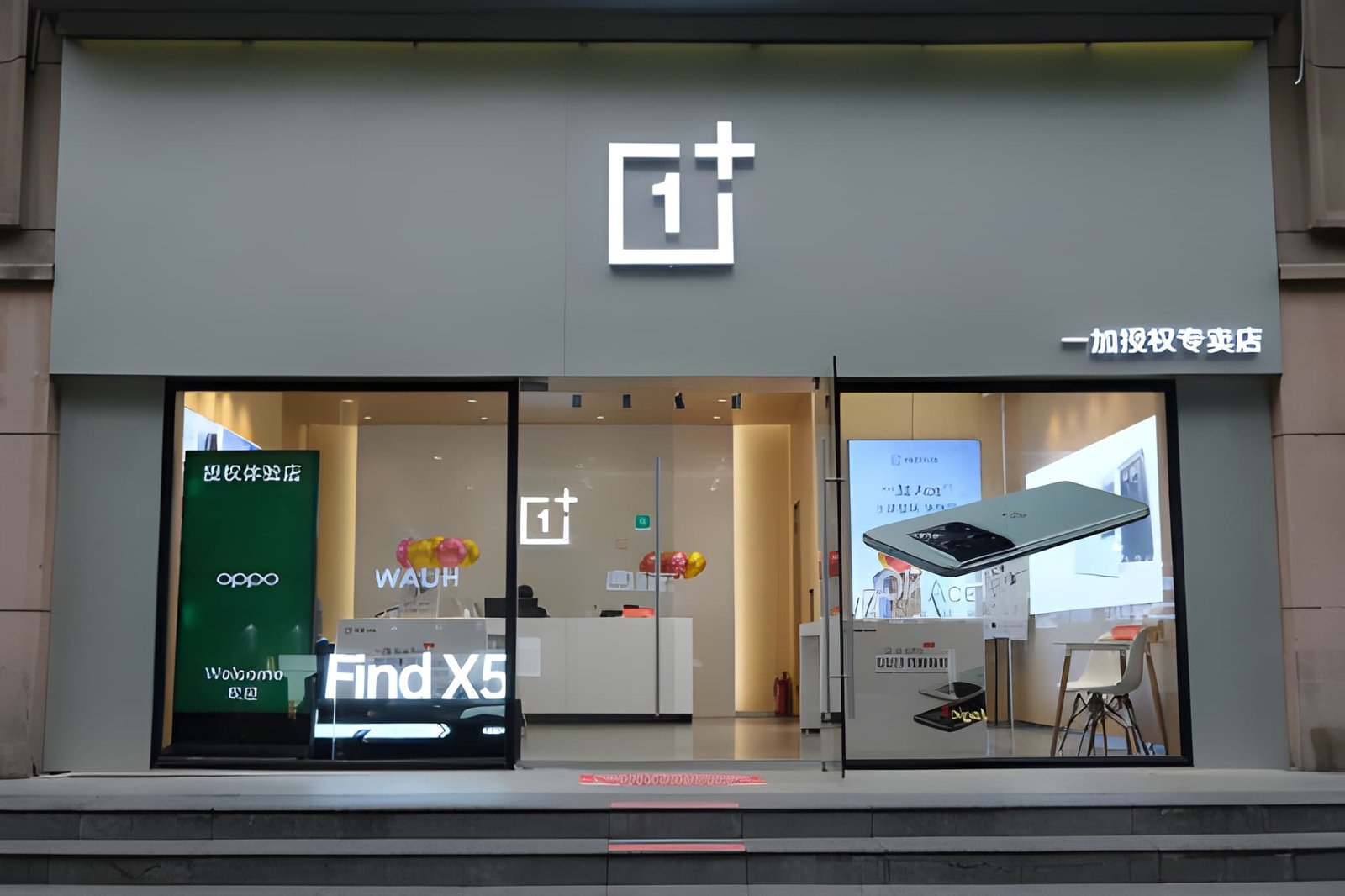
Introduction: A Shocking Turn for OnePlus


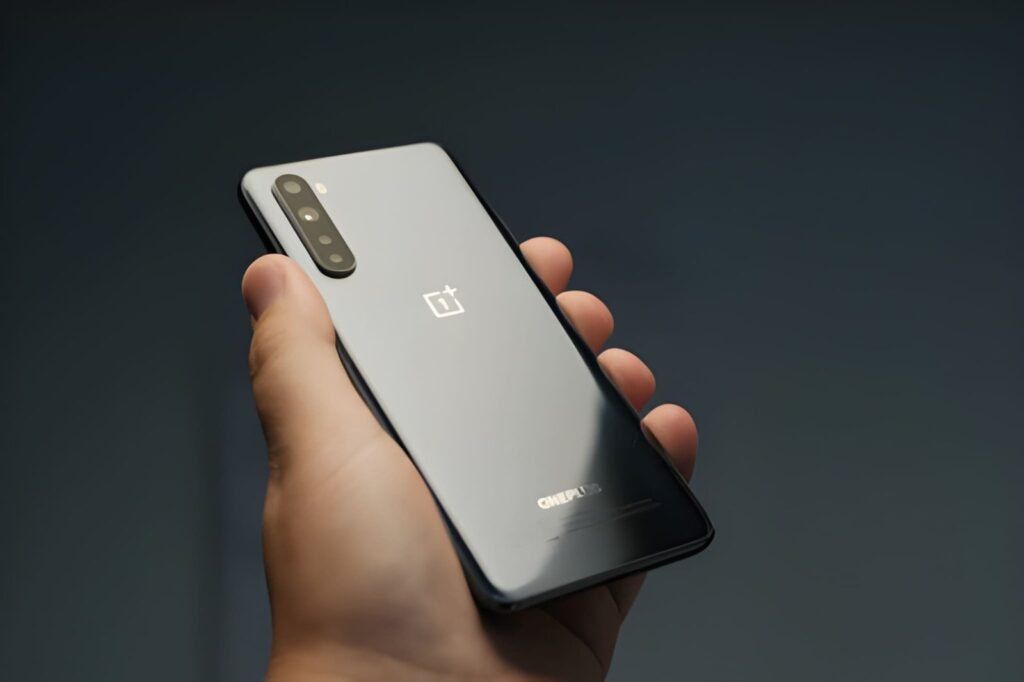
In a surprising development that has sent shockwaves through the global tech community, reports suggest that OnePlus may significantly scale back—or even shut down—its smartphone operations in several global markets as early as April 2026. Once celebrated as a flagship killer brand that disrupted the smartphone industry, OnePlus now appears to be undergoing a major strategic shift.
While the company has not officially confirmed a full global shutdown, multiple reports and insider information indicate that OnePlus could withdraw from key regions, including large parts of Europe, and refocus its efforts on markets like China and India.
This potential move raises critical questions about the future of the brand, its global users, and its position in the increasingly competitive smartphone industry.
The Origins of the Rumor: Insider Reports and Industry Buzz
The speculation surrounding OnePlus began when well-known tech tipster Yogesh Brar shared a now-deleted post suggesting that the company was planning to shut down global operations.
Soon after, reports from 9to5Google added weight to these claims. According to sources familiar with internal developments, OnePlus is expected to cease operations in certain regions, particularly across Europe, with changes potentially taking effect as early as April 2026.
Employees in some regions have reportedly already been informed, with severance packages being offered to affected staff. This suggests that the restructuring is not just speculation—it may already be underway behind the scenes.
Leadership Changes Add Fuel to the Fire
One of the most significant developments contributing to these rumors is the departure of Robin Liu, who recently left his position and returned to China.
Leadership changes at this level often signal deeper strategic shifts within a company. Liu’s departure, combined with internal restructuring reports, has intensified speculation that OnePlus is preparing for a major transition.
While OnePlus has publicly stated that its India operations will continue as usual, the timing of these changes has raised concerns among industry observers.
A Look Back: OnePlus’ Rise to Global Prominence
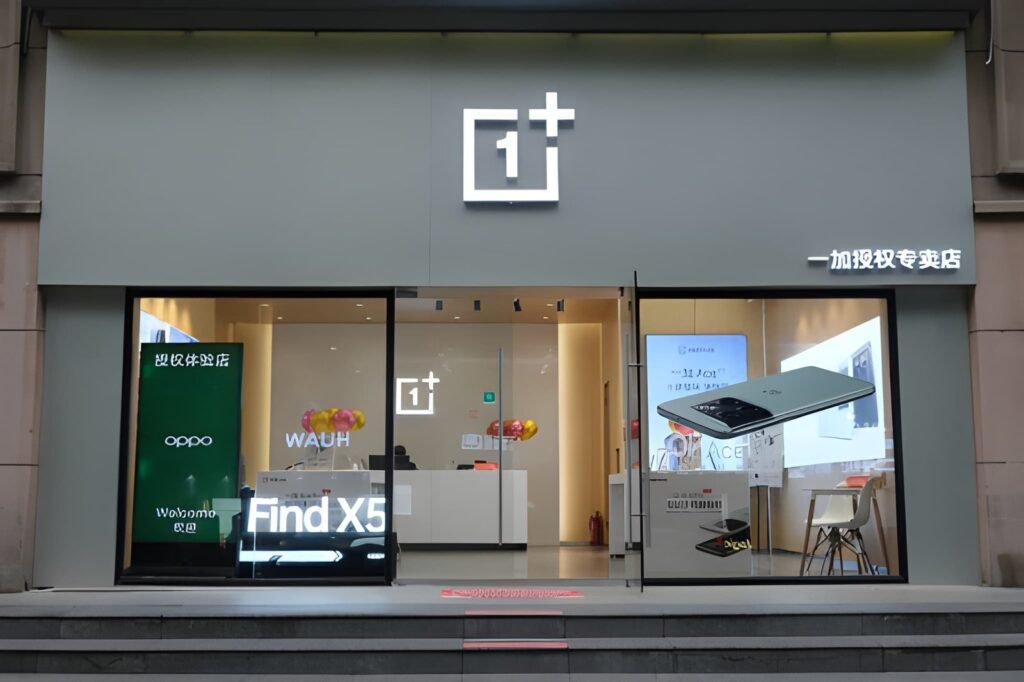
To understand the significance of this potential shift, it is important to look at OnePlus’ journey.
Founded in 2013, OnePlus quickly gained recognition for offering high-performance smartphones at competitive prices. Its early devices, such as the OnePlus One, were marketed as “flagship killers,” challenging established brands by delivering premium features at a lower cost.
The company built a loyal global community, particularly in Europe, North America, and India. Its focus on clean software, fast performance, and strong community engagement set it apart from competitors.
However, over the years, the brand’s identity began to evolve—and, according to some critics, lose its original essence.
The Oppo Connection: A Key Turning Point
One of the most important factors in understanding OnePlus’ current situation is its relationship with Oppo.
Although OnePlus operated as an independent brand in its early years, it has long been closely tied to Oppo. In 2021, this relationship became more formalized, with OnePlus effectively becoming a sub-brand under Oppo’s umbrella.
Leadership changes further reinforced this connection. Pete Lau, who previously led OnePlus, took on a broader role as Chief Product Officer at Oppo.
This integration led to shared technologies, software platforms, and even overlapping product strategies between the two brands.
While this move aimed to improve efficiency and streamline operations, it also blurred the distinction between OnePlus and Oppo, raising questions about the necessity of maintaining both brands separately.
Europe: A Market Already in Decline
The potential withdrawal from Europe is not entirely unexpected.
Back in 2020, OnePlus significantly reduced its presence in the region, closing offices in countries such as the UK and Germany. This move followed the launch of the Nord series and the departure of co-founder Carl Pei.
Since then, the brand’s visibility in Europe has declined, with fewer product launches and reduced marketing efforts.
If current reports are accurate, the upcoming shutdown would represent the final step in a gradual retreat from the European market.
Strategic Shift: Focus on China and India
According to insider reports, OnePlus is planning to shift its focus toward China and India.
China remains the company’s home market and a key area of growth. However, competition in China is extremely intense, with brands like Xiaomi, Huawei, and Oppo dominating the space.
India, on the other hand, has been one of OnePlus’ strongest markets. The brand enjoys significant popularity among consumers, particularly in the mid-range and premium segments.
By concentrating on these regions, OnePlus may be attempting to consolidate its resources and strengthen its position where it has the greatest chance of success.
Product Strategy Changes: From Flagship Killer to Mid-Range Focus
Another major shift appears to be in product strategy.
Reports suggest that OnePlus may focus more heavily on entry-level and mid-range devices, particularly in India. This would mark a departure from its earlier focus on premium flagship devices.
The Nord series already reflects this direction, offering more affordable smartphones aimed at a broader audience.
However, this shift could further dilute the brand’s identity, which was originally built on delivering flagship-level performance at competitive prices.
The End of Key Partnerships
One notable development is the reported end of OnePlus’ partnership with Hasselblad, which had been a key feature of its recent flagship devices.
While the collaboration continues with Oppo smartphones, its absence in future OnePlus devices could signal a shift in branding and positioning.
This change reflects the broader integration of OnePlus into Oppo’s ecosystem, where resources and partnerships are increasingly centralized.
Market Challenges: Rising Costs and Supply Issues
The global smartphone industry is facing significant challenges, and OnePlus is not immune.
Rising component costs, particularly for memory and storage, have increased production expenses. Supply chain disruptions and economic uncertainties have further complicated the situation.
Chinese brands, in particular, are expected to be heavily impacted by these challenges, leading many companies to reassess their global strategies.
In this context, OnePlus’ potential withdrawal from certain markets can be seen as part of a broader effort to reduce costs and improve efficiency.
What Happens to Existing Users?
One of the biggest concerns for consumers is what this means for existing OnePlus users.
The company has previously stated that it will continue to provide after-sales support, software updates, and customer service. However, if operations are scaled back in certain regions, the level of support may vary.
Community forums, which have been a key part of the OnePlus ecosystem, could also be affected.
For users who have invested in the brand, clarity on these issues will be crucial.
Could OnePlus Become a Sub-Brand?
Another possibility is that OnePlus could evolve into a sub-brand focused on specific market segments.
This would be similar to the structure seen with brands like Realme, which operates under the Oppo umbrella.
If this happens, OnePlus may continue to exist but in a more limited capacity, focusing on budget and mid-range devices rather than flagship innovation.
Industry Impact: What This Means for the Smartphone Market
The potential withdrawal of OnePlus from global markets could have significant implications for the industry.
As a brand that once challenged established players, its reduced presence could lead to less competition in certain segments.
At the same time, it highlights the challenges faced by smartphone manufacturers in maintaining global operations amid rising costs and intense competition.
Conclusion: The Uncertain Future of OnePlus
The future of OnePlus remains uncertain.
While the company has not officially confirmed a full global shutdown, the signs of restructuring are clear. From leadership changes and market withdrawals to strategic shifts and industry challenges, OnePlus appears to be entering a new phase.
Whether this transformation will strengthen the brand or lead to its gradual decline is yet to be seen.
For now, one thing is certain—OnePlus is no longer the same company that once disrupted the smartphone industry. Its next chapter will determine whether it can adapt and survive in an ever-changing market.