
Introduction: The Deep Connection Between Food and Health
There is an ancient saying that goes, “You are what you eat.” While this phrase might sound simplistic, it captures a profound truth: the food you eat directly impacts your health. The quality of your diet influences energy levels, immunity, mental clarity, and long-term well-being.
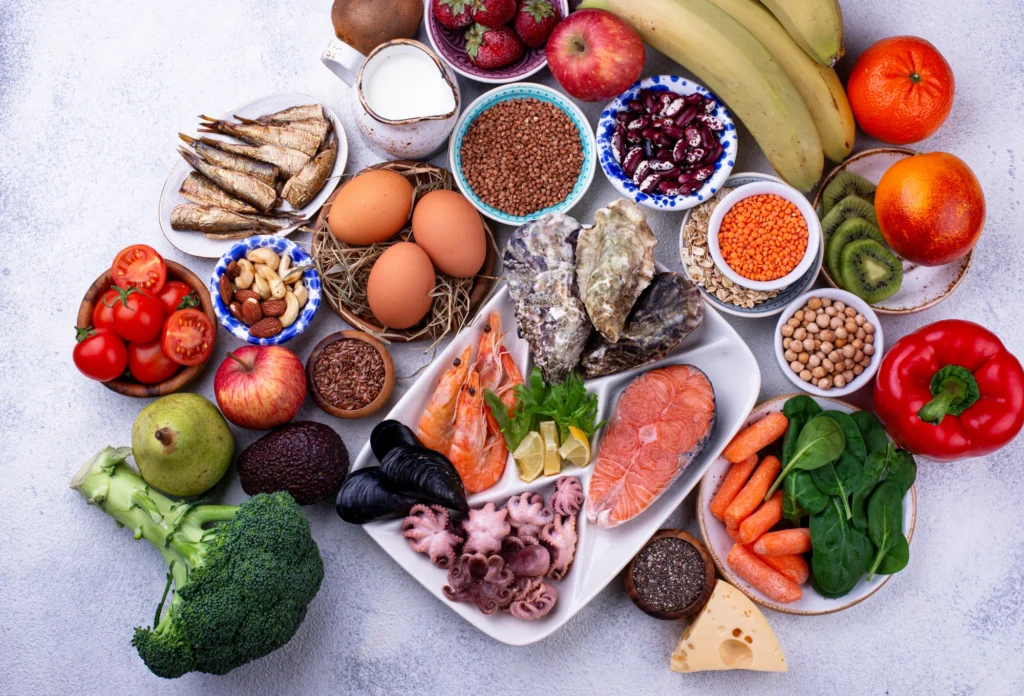


Across centuries and cultures, food has always been central to human survival and wellness. In modern science, diet is recognized as one of the most powerful tools for preventing chronic diseases such as diabetes, obesity, heart disease, and cancer. A poor diet increases health risks, while a nutrient-rich, balanced diet enhances vitality and longevity.
This article explores in detail how your diet affects your health, covering physical health, mental well-being, weight management, immunity, digestion, and even environmental sustainability.
The Biological Foundation of Diet and Health
Every meal you eat becomes part of your body. Through digestion, food is broken down into nutrients—carbohydrates, proteins, fats, vitamins, and minerals—that fuel growth, repair, and energy.
- Carbohydrates provide fuel for daily activities and brain function.
- Proteins build muscles, hormones, enzymes, and immune defenses.
- Healthy fats (like omega-3 fatty acids) support brain health, reduce inflammation, and regulate hormones.
- Vitamins and minerals protect against nutrient deficiencies and strengthen immunity.
- Water is essential for hydration, detoxification, and cellular functions.
The balance—or imbalance—of these nutrients explains why nutrition is important for health. A diet rich in whole foods supports physical and mental performance, while nutrient-poor diets lead to fatigue, disease, and poor quality of life.
Diet and Physical Health
1. Weight Management and Metabolism
Your diet directly controls body weight and metabolism. Overeating high-calorie junk foods leads to obesity, while undernutrition weakens the body. Processed sugars, refined carbs, and unhealthy fats spike insulin levels, cause fat storage, and disrupt metabolism. On the other hand, healthy eating habits—such as consuming whole grains, lean proteins, and fresh vegetables—support a healthy weight.
2. Heart Health
The connection between diet and heart disease is one of the strongest in medical science. Diets high in sodium, trans fats, and added sugars raise risks of hypertension, strokes, and heart attacks. In contrast, a Mediterranean diet rich in olive oil, nuts, and fish lowers cholesterol and protects cardiovascular health.
3. Digestive Health
The gut is home to trillions of bacteria known as the gut microbiome. Eating high-fiber foods like legumes, fruits, and vegetables improves digestion and prevents constipation. A healthy microbiome also lowers risks of obesity, diabetes, and mental health issues. Poor diets with processed foods, however, damage gut health and increase inflammation.
4. Immunity
Your immune system depends on your diet. Foods rich in vitamin C, vitamin D, zinc, and antioxidants strengthen immunity and fight infections. Meanwhile, diets full of refined sugar and unhealthy fats weaken immune defenses.
5. Bone and Muscle Strength
Strong bones and muscles require calcium, vitamin D, magnesium, and protein. Diets lacking these nutrients lead to osteoporosis and muscle loss, especially with aging. This is why nutrition for strong bones and muscles is essential at all life stages.
Diet and Mental Health
Food fuels not only the body but also the brain. Nutritional psychiatry shows that what you eat affects your mood, memory, and mental performance.
- Omega-3 fatty acids reduce depression and anxiety.
- B vitamins (B6, B12, folate) boost neurotransmitter function and prevent cognitive decline.
- Antioxidant-rich foods like berries and leafy greens protect against dementia.
- Diets high in refined sugar increase risks of depression and brain fog.
A balanced diet for mental health reduces risks of depression, ADHD, and memory loss, proving that healthy eating is as much about the mind as it is about the body.
Diet and Longevity
Cultures in Blue Zones (Okinawa in Japan, Sardinia in Italy, Nicoya in Costa Rica) show that diet plays a huge role in living longer, healthier lives. These diets are:
- High in vegetables, legumes, and whole grains
- Low in processed foods and red meat
- Rich in healthy fats and plant proteins
Scientific studies confirm that healthy diets reduce aging risks by lowering inflammation, preventing oxidative stress, and promoting cellular repair.
The Dark Side of Modern Diets
While food has healing power, modern fast-food diets harm health.
- Excess sugar → type 2 diabetes, obesity, and heart disease
- Trans fats → clogged arteries and inflammation
- High sodium intake → hypertension and kidney disease
- Ultra-processed foods → nutrient deficiencies and cancer risks
This explains why processed foods and health problems are rising together worldwide.
Diet, Culture, and Identity
Food is more than nutrients—it carries cultural identity. Traditional diets, such as Ayurvedic diets in India or traditional Chinese medicine diets, focus on balance and healing properties of food. These approaches emphasize that diet influences physical, emotional, and spiritual health.
Special Diets and Their Impact
Plant-Based Diets
Linked to lower risks of heart disease, diabetes, and cancer due to high fiber and antioxidants.
Ketogenic Diet
Useful for weight loss and certain medical conditions but requires careful balance to avoid nutrient deficiencies.
Intermittent Fasting
Promotes better metabolism, cellular repair, and fat loss when practiced responsibly.
Traditional Diets
Cultural diets based on whole foods are generally more nutritious than modern convenience diets.
The Role of Hydration
Hydration is part of diet. Water intake improves digestion, detoxification, and skin health. Sugary drinks, however, lead to obesity, diabetes, and tooth decay. Drinking water instead of soda is one of the simplest healthy lifestyle changes you can make.
Psychological Aspects of Diet
Your relationship with food affects your well-being. Emotional eating, binge eating, and restrictive dieting can cause stress and guilt. Practicing mindful eating—savoring food, respecting hunger cues, and eating slowly—improves digestion and prevents overeating.
Diet and Environmental Health
Food choices also affect the planet. Diets with more plant-based foods reduce carbon footprints and support sustainability, while industrial meat production harms the environment. Choosing sustainable foods supports both personal health and environmental health.
Preventive Power of Diet
Over 70% of chronic diseases are linked to poor diets. By adopting a healthy diet, you can prevent:
- Type 2 diabetes
- Hypertension
- Stroke
- Obesity
- Certain cancers
- Heart disease
This is why many experts say, “food is medicine.”
Food as Medicine, Food as Life
Your diet is the foundation of your health. Every bite you take is either fueling wellness or contributing to illness. A balanced, nutrient-rich diet prevents disease, boosts energy, supports mental clarity, and improves quality of life.
Being mindful of what you eat is not about restriction—it is about making healthier food choices every day. Diet affects your health at every level: physical, mental, emotional, social, and even spiritual.
Ultimately, a healthy diet is not just about living longer but about living better. When you eat wisely, you invest in a future filled with vitality, resilience, and joy.